OPENAI FILM FIELDNOTESStorytelling

A SEPARATE STUDY / STORYTELLING

How the films
make their case.

Sixty source films. Their openings, evidence, turns, and endings—read against real audio transcripts and sampled frames.

Newest 60 playable films in the September 5, 2026 audited inventory.
Not the latest 60 channel uploads today.

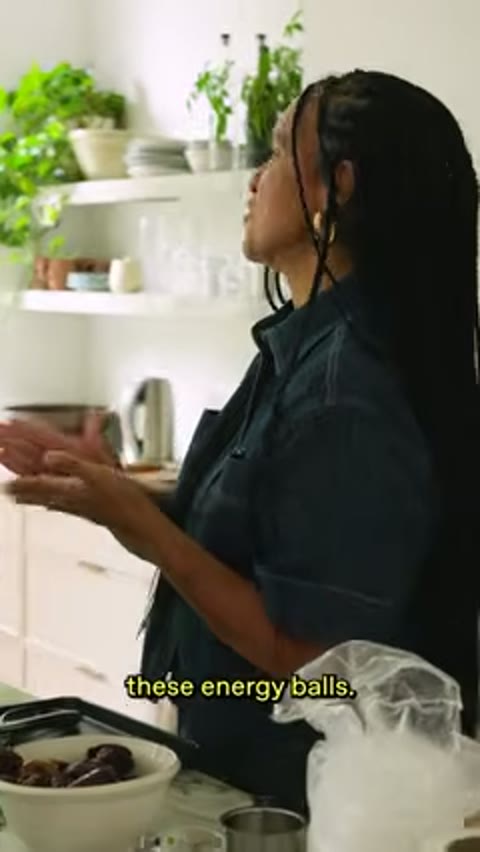
Discussed source frame from GPT-6 Astra with Ben DavisStart with case 01GPT-6 Astra with Ben DavisSource sample 50.500s ↗
60 / 60authored film cases
215.9 minsource runtime, not review time
Jul 23–Sep 4publication dates, 2026
ASR + framestwo explicit evidence layers
01 / CROSS-FILM FINDINGS

Editing choices with a paper trail

Each count is the number of cases explicitly coded by the research builders. Codes can overlap; an uncoded film is not evidence that a technique is absent. Expand a count to inspect its supporting beats.

22/ 60

Return to the person

An on-camera explanation returns after a screen or example. The return can close one task before the next begins.

Trace the 22 coded cases
31/ 60

Keep the input and the deliverable

A visible input is followed by an inspectable output. The edited sequence demonstrates a relationship, not real-time processing speed.

Trace the 31 coded cases
14/ 60

Locate the detail first

An establishing view precedes a more specific state. Compare the sampled framing; do not assume a continuous zoom between them.

Trace the 14 coded cases
7/ 60

Accumulate examples

Multiple outputs carry the argument through variety. A montage is weaker evidence of the steps needed to make any one result.

Trace the 7 coded cases
5/ 60

Give the task a human consequence

A person, team or situation establishes why the work matters. The film’s success claims remain attributed claims.

Trace the 5 coded cases
9/ 60

Let a question organize the explanation

An explicit question or problem structures the following discussion or demonstration.

Trace the 9 coded cases
8/ 60

Keep permission in the story

A shown authorization or access decision remains part of the demonstrated causal chain.

Trace the 8 coded cases
02 / USE THE RESEARCH

Compare the sequence, not just the surface.

01

Name the audience’s question.

Use the case’s narrative and speech index to identify what the viewer needs to understand before the next screen makes sense.

02

Inspect the evidence pair.

Compare the two or three source states in the editing study. Follow the source link before making claims about the transition between them.

03

Rebuild the causal order.

Use your own inputs, UI and output. Preserve the needed setup, action and proof; do not copy brand assets or imply equivalent features.

For the all-hands: align to the supplied recording, keep OBS talking head and presentation separate, and set a recognizable start cue plus a genuine ending buffer during the single storyboard review.

Choose your story spine

Proposed editorial adaptations from observed patterns, not an official OpenAI house formula.

Planning gate. Before locking the storyboard, assign your own shot ID or recorded-speech timecode to every beat and state what it establishes. If a beat has no anchor, capture it or revise the promise. Reference timestamps are evidence links, not durations to copy.

If the deliverable is understandable before its method

Preview, explain, return

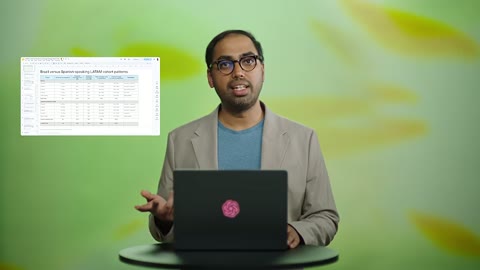
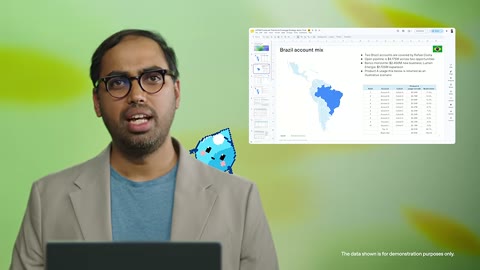
Case 28 · How to Turn a Business Question Into a Strategy Deck With ChatGPT Work | Tutorial

  1. Open: preview the destination

    Show a readable deliverable and name the question it answers.

    Observed: A deck preview sits beside the presenter.

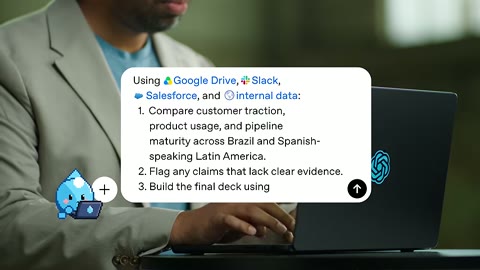
  2. Develop: expose the basis

    Show the inputs, sources and reasoning the answer depends on.

    Observed: The setup introduction leads to a source-specific prompt.

  3. Close: return with support

    Revisit the deliverable and show the support for its recommendation.

    Observed: A deck table inset returns during the final-assembly explanation.

Limit: The slide insets show a narrative structure, not proof that the strategy or calculations are correct.

If a person's workload gives the task its stakes

Burden → intervention → artifact → person

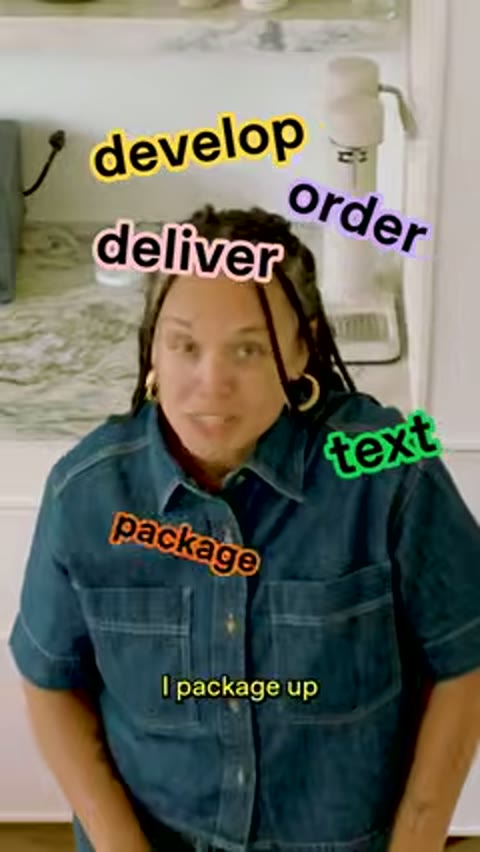
Case 19 · Delivering more meals to more moms with ChatGPT

  1. Open: show the burden

    Let the person and the competing tasks establish why the change matters.

    Observed: Task-word overlays surround the cook.

  2. Develop: name the intervention

    Show or explain the precise change being attempted.

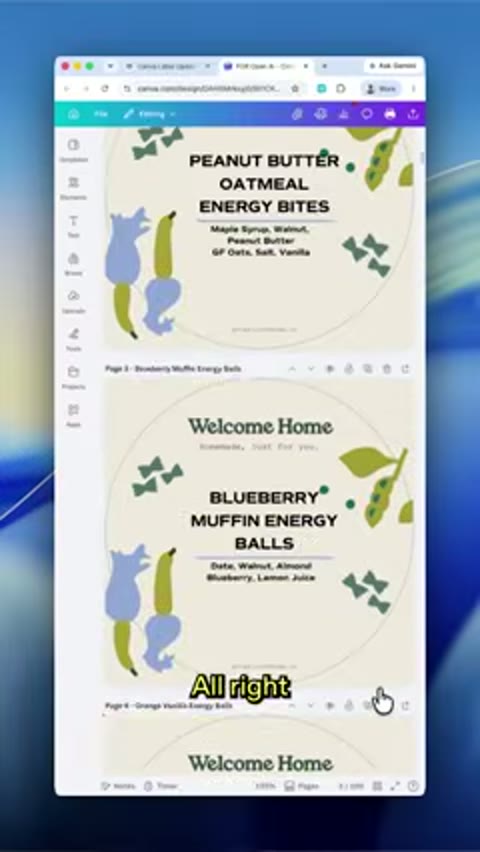
    Observed: Speech describes updating existing label designs from spreadsheet names.

  3. Prove: show the artifact

    Hold on the changed output so it can be inspected.

    Observed: Food-label designs occupy the screen.

  4. Close: return to the person

    Return to their work; claim only a consequence you can document.

    Observed: The cook returns beside ingredients.

Limit: Time savings remain testimony, not a measured comparison. The visible labels do not verify the narrated name updates.

If several capabilities need one recognizable thread

Repeat and escalate a motif

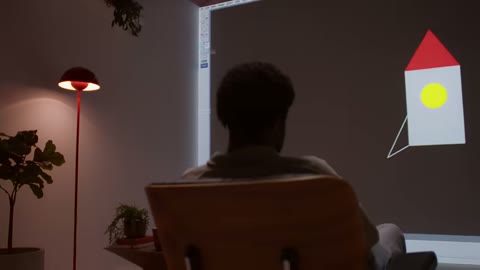
Case 10 · Introducing GPT-6 Astra: the most intelligent and aligned model in the world.

  1. Open: establish a simple motif

    Give viewers a shape or task they can recognize again.

    Observed: The request leads to a flat rocket drawing.

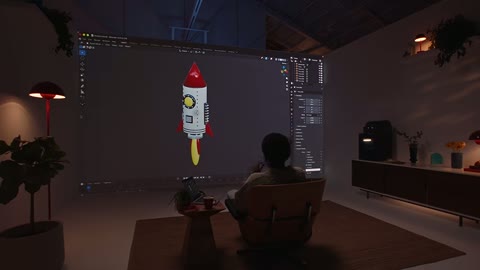
  2. Develop: increase the complexity

    Keep its identity legible as the task changes, even across other examples.

    Observed: The rocket appears in Blender between other tasks.

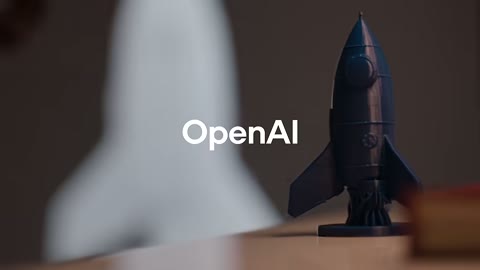
  3. Close: resolve the same motif

    Return to it in a final state you can substantiate.

    Observed: A print-file request precedes a tabletop rocket.

Limit: Manufacture is not shown; the object could be a prop. If your story claims fabrication, document that step or label the ending illustrative.

Frame links open the credited OpenAI source samples; ASR links open the case’s paraphrased transcript guide at its listed speech anchors. Those are machine-returned word starts, not verified cut times. Full transcripts remain local. Download these evidence mappings ↓
03 / FILM INDEX

The complete selected set

Publication order, newest first. No film was dropped for being long: the forum and Build Hour remain in the set.

Showing 60 films

04 / METHOD & LIMITS

Keep the claim no larger than the evidence.

Selection is dated.

Selected September 17, 2026 from 621 playable, in-window entries in an archived official-channel audit. Cutoff: September 5, 2026 at 17:13:40.602033 UTC. Videos, Shorts, Live and an uploads-playlist cross-check informed that inventory. Publication instants determine order; an offline livestream placeholder is excluded. A September 17 Videos-tab check found newer uploads, so this is not a current channel-wide latest-60 claim.

Media comes before interpretation.

All 60 authored cases have newly acquired official source media, a byte hash and measured duration. Earlier source files were deleted September 11; new receipts identify the new research renditions. Source claims are attributed, not independently fact-checked.

ASR is not a verified transcript.

ElevenLabs scribe_v2 transcribed actual source audio with returned word timestamps. No words or timings were reconstructed from titles or script lengths. The full machine output and click-to-seek transcript readers remain local. The public transcript guide is paraphrase with speech anchors. Recognition errors, including music hallucinations, remain possible.

Frames are samples.

Contact sheets sample short films every 5 seconds and the two long films every 60 seconds. Builders inspect all retained sheets and read the timed ASR. This does not establish continuous motion review, a listening pass, exact cuts, easing, speed ramps or audio mixing. Exact numbers label study windows and source sample requests, not unmeasured transitions.

Observation, interpretation, adaptation.

Each case keeps what appears in the evidence separate from why that sequence may serve the story and how to try the principle with original footage. Editorial windows span the measured film; ASR anchors and image samples can be checked independently.

Rights constrain the export.

Only discussed source stills, authors’ notes and source links are included. No full films, audio, raw downloader metadata, full transcripts or credentials are published. Zero transcript words are quoted. Research access does not clear these assets for a presentation.